Social Mobility Day 2026 Breakfast Panel: Social mobility and the youth employment crisis
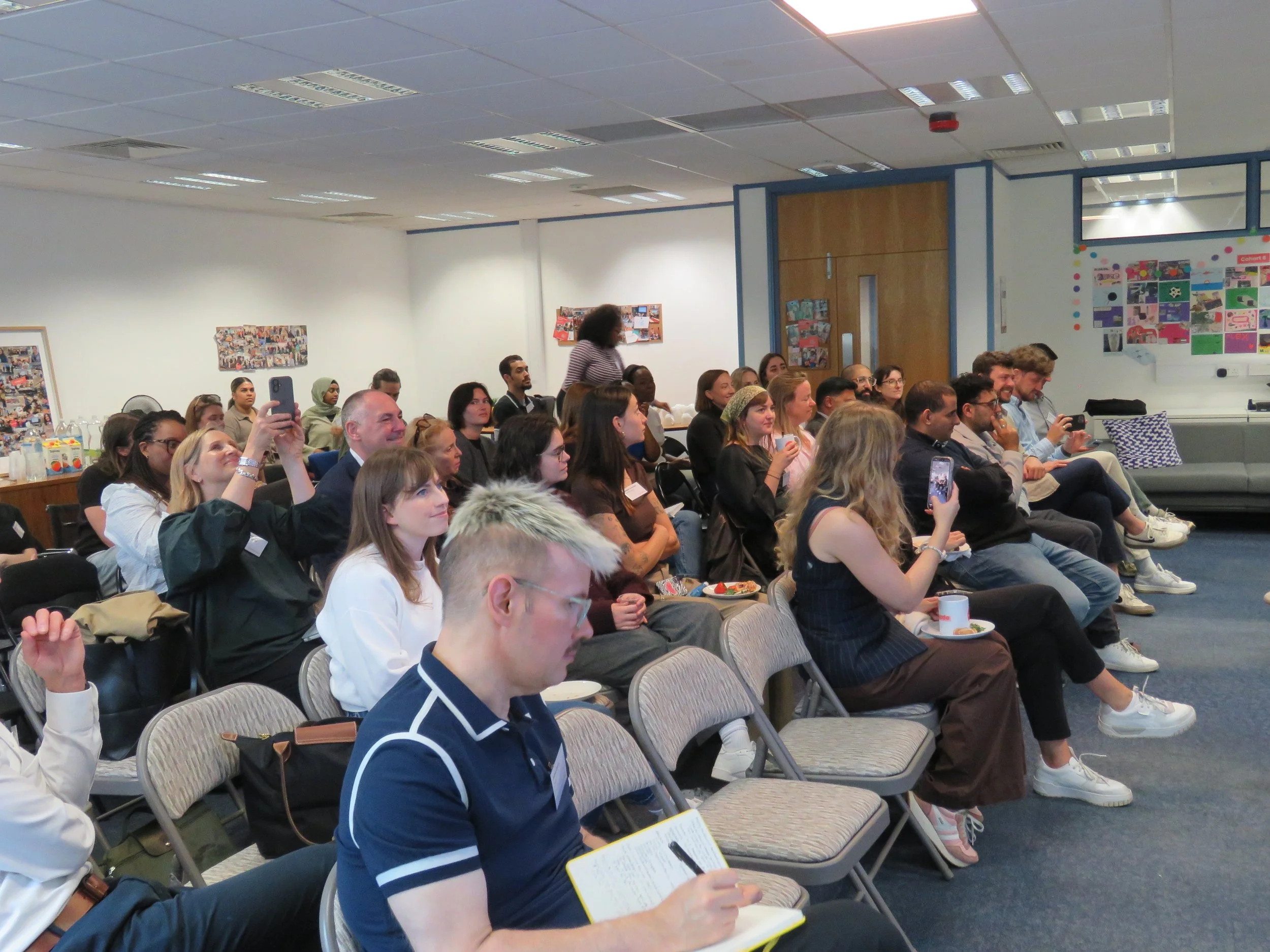
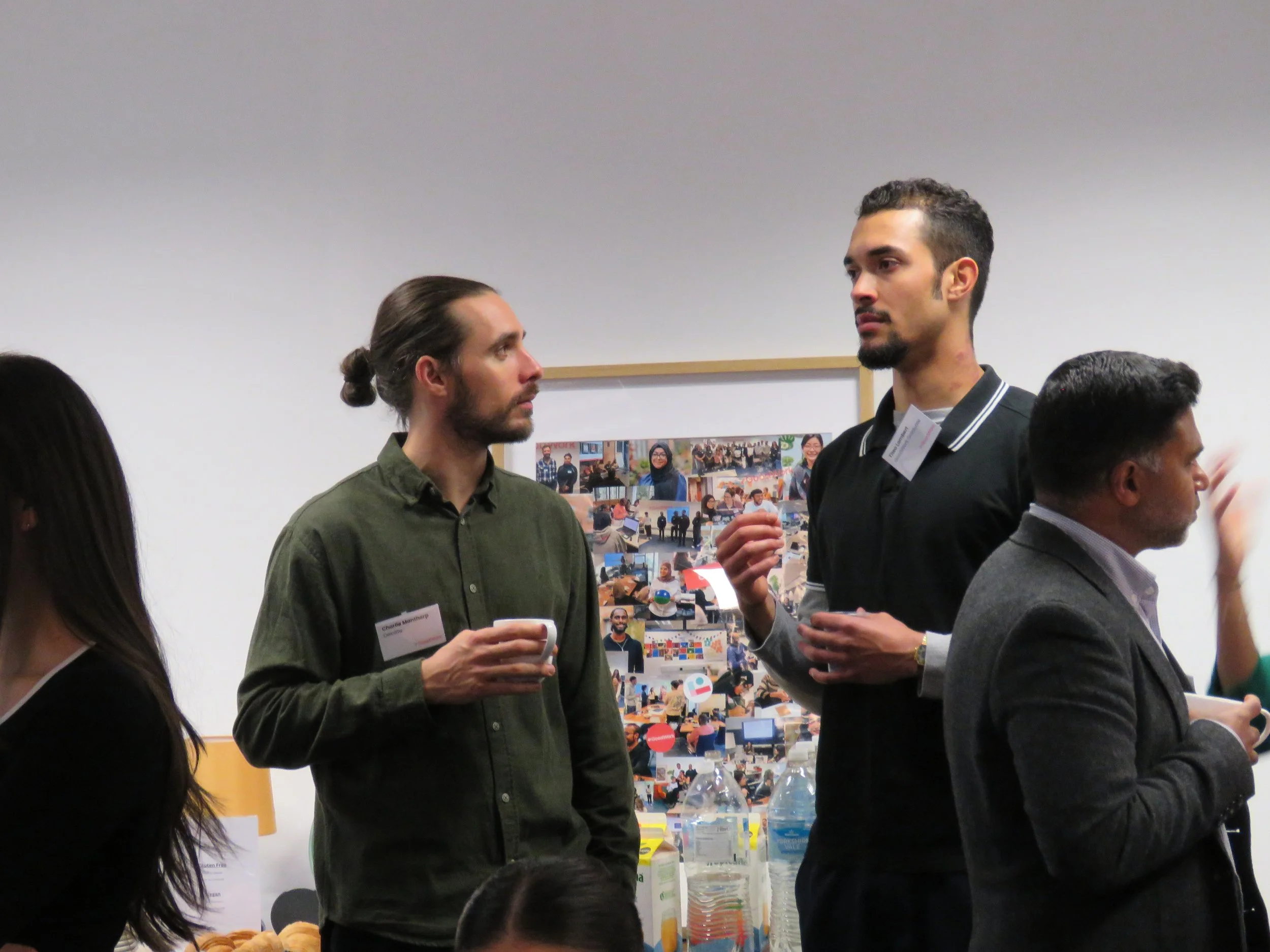
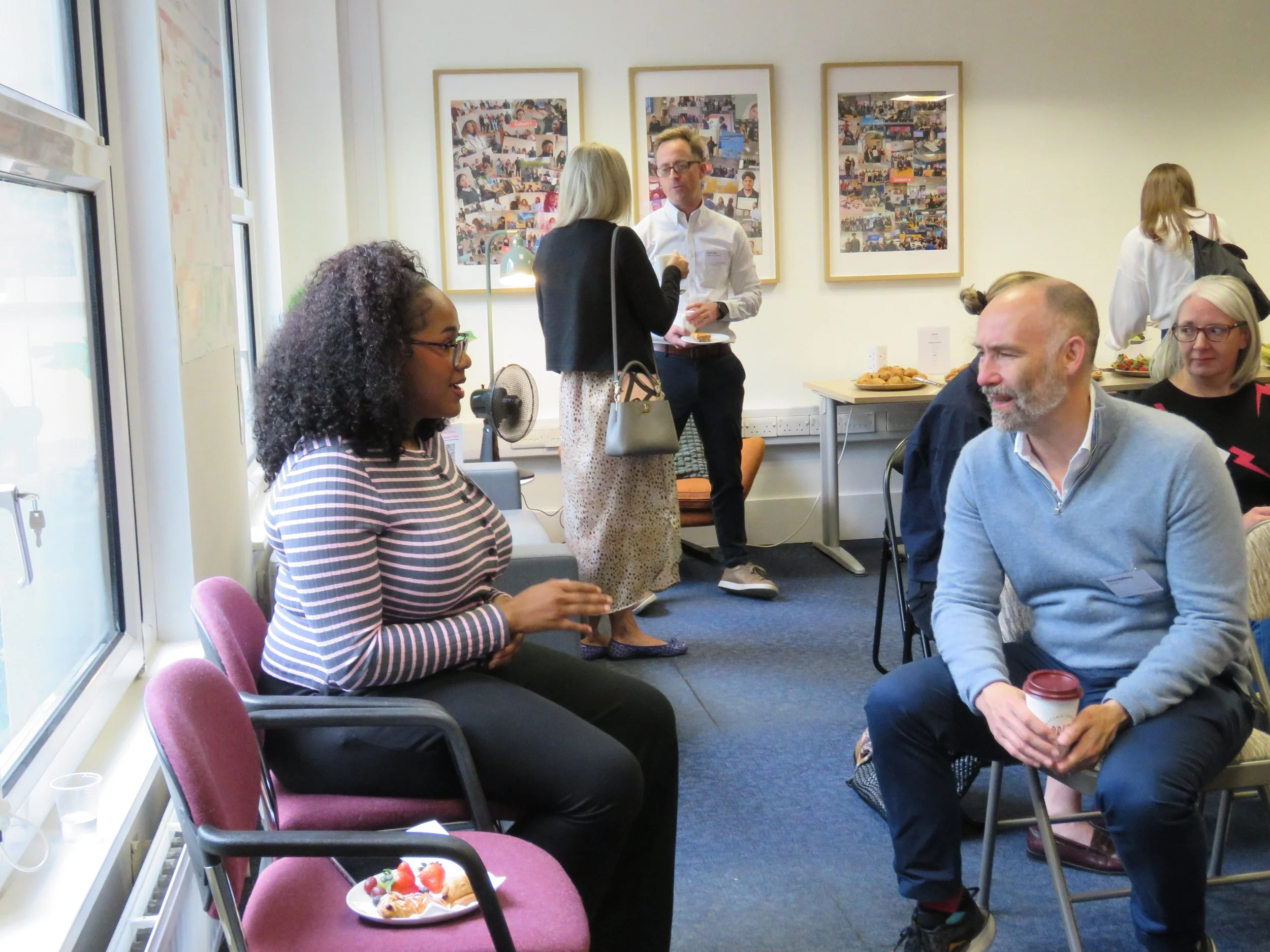
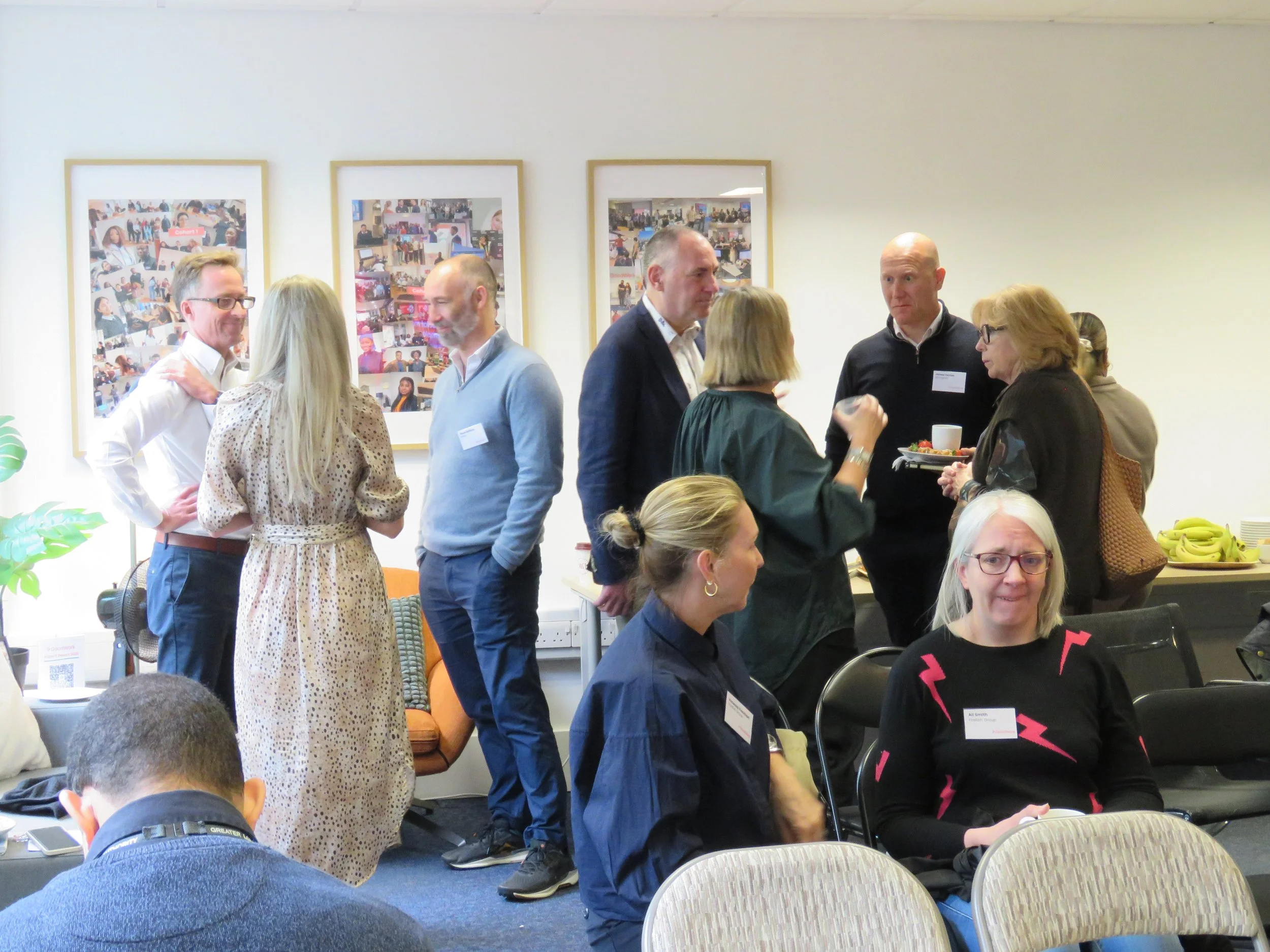
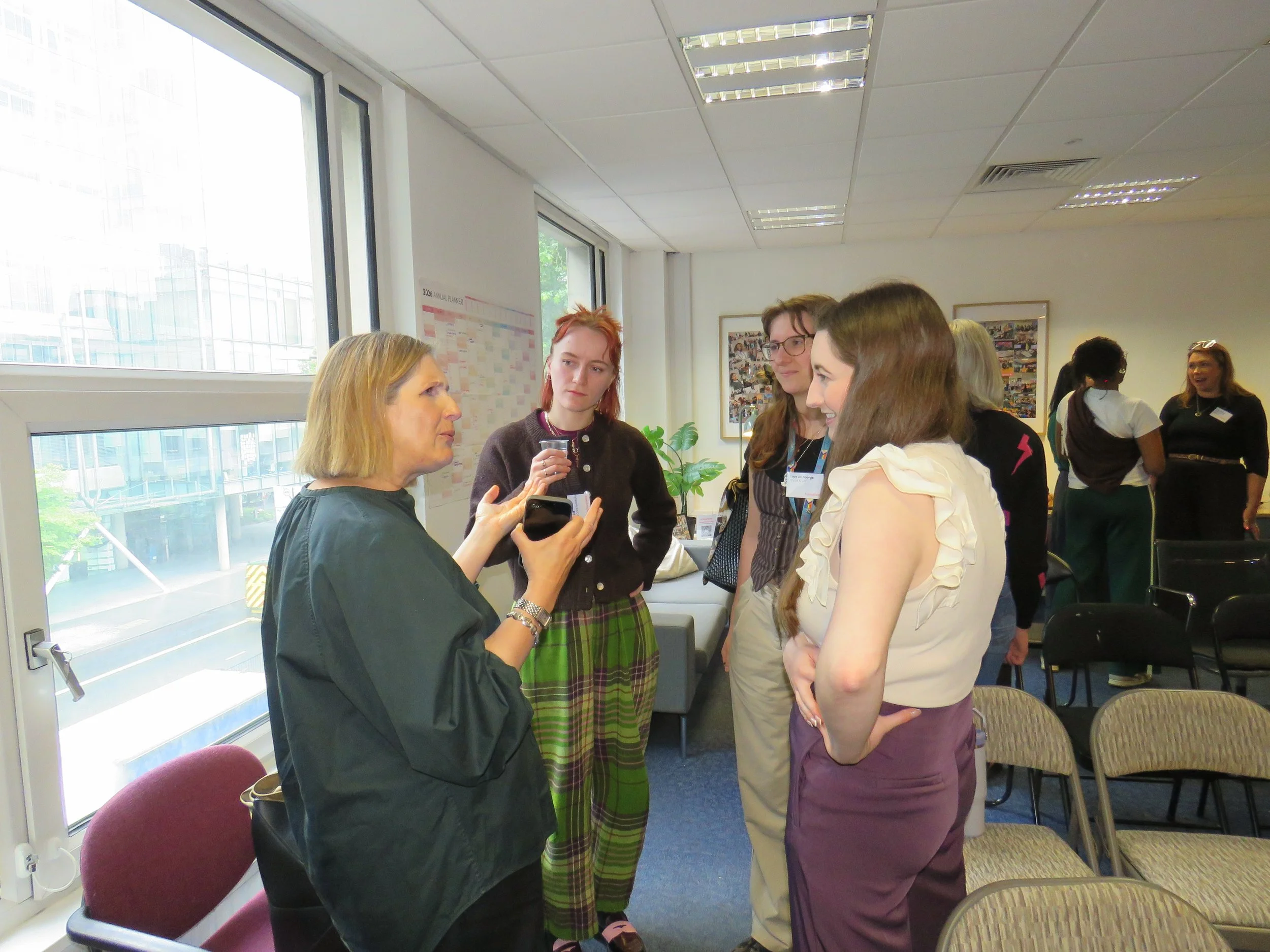
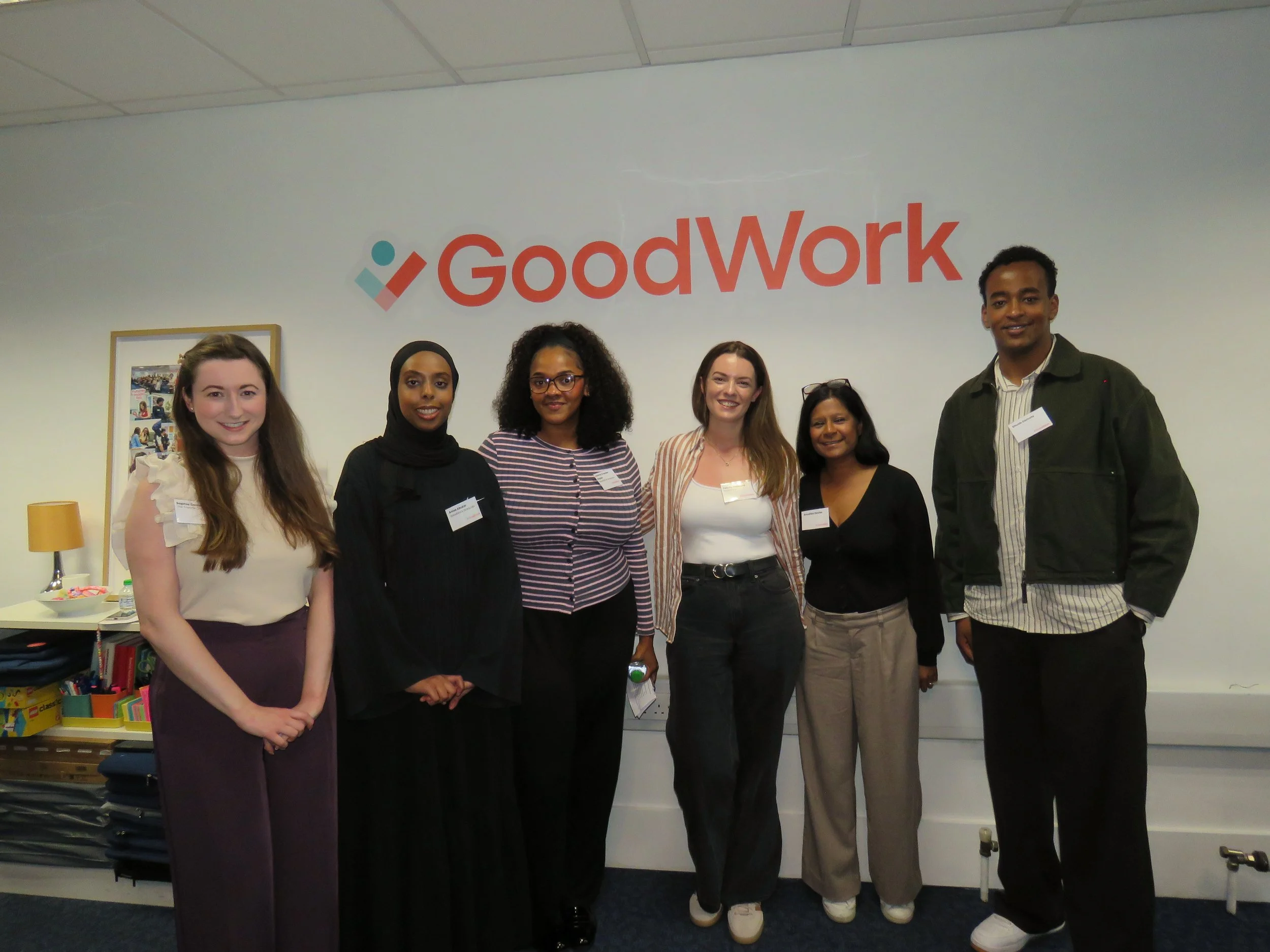
On Social Mobility Day, we brought together young people, employers and experts at our London HQ for a breakfast panel asking how employers can drive better outcomes for the next generation.
With nearly one in four young Londoners currently unemployed - the highest level in the country - our panel unpicked a challenge that has become impossible to ignore.
The crisis is structural, not marginal
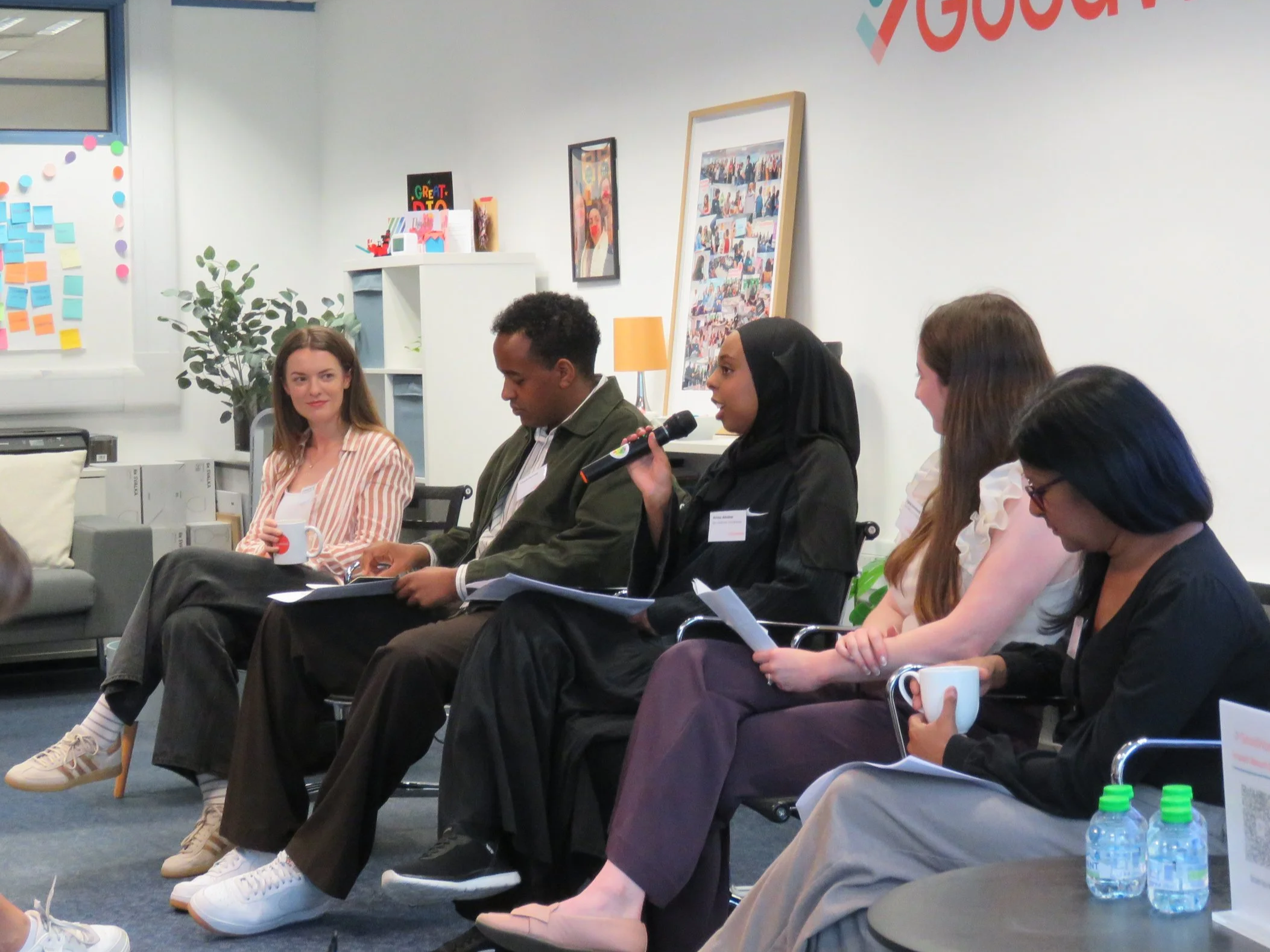
Shuab Gamote, strategic adviser to Alan Milburn's review into young people and work, opened the session by emphasising the need to shift from blaming the young person to recognising that youth unemployment is a structural issue.
Too often, when people are asked about the one million young people not earning or learning, they point the finger at the young person: ‘They just need to work harder’ or ‘get your foot in the door and just start.’
But after speaking to over 400 young people across all four nations, Shuab and his co-author Peter Hyman found something different. 84% of the young people they spoke to were desperate to get into work.
Young people are up against a systemic problem: a school system telling a third of young people they’ve ‘failed’ their GCSEs, the lasting impact of COVID on confidence, and a recruitment process that consistently prioritises experience over potential.
What young people actually experience
Anisa Abukar, who graduated from the GoodWork programme in 2025, summed up the current job market in one word: ‘brutal’.
She spoke about the challenges of re-entering the job market after completing an internship - the barrage of rejections and the feeling of falling behind peers. Mentoring, she said, would have made a real difference in holding onto the confidence she’d built during her placement.
On what employers should be doing differently, Anisa highlighted the need to start early. Coming from a lower socioeconomic background, she hadn’t seen herself represented in different industries and couldn’t go to her parents for access or connections. ‘Did I need to go to college?’, ‘Could I have done an apprenticeship?’ - these were questions that she lacked answers to.
What changed things for her was joining the GoodWork Programme.
‘I really didn't know how I was going to get access to a corporate or creative role until I joined GoodWork,’ she said. ‘If you don't see yourself represented in these careers, you will truly never think it's attainable.’
The gap between good intentions and real action
Anushka Davies, Global Head of Talent and Culture, and Trustee at London Youth, was candid about the gap between employer goodwill and actual change. The room was full of people who want to do the right thing, but wanting to act and knowing how to start are different things.
Her advice was to start small and then build on the momentum. Buddy schemes and mentoring for the interns you currently have, working with organisations like GoodWork and London Youth to promote your roles and opportunities, or using your apprenticeship levy to run a small pilot scheme are just some of the first steps employers can take.
Making the business case stick
Sophie Demellweek, Senior EDI Advisor at the Francis Crick Institute, offered practical guidance on getting buy-in when building a business case for socioeconomic inclusion.
The key, she said, is understanding your organisation’s specific context before walking into any senior meeting. Who are your stakeholders? What do they fear? What does success look like to them?
She also urged employers to think beyond the typical social mobility narrative - that success looks like getting young people from lower socioeconomic backgrounds into elite professions like law or medicine.
There are many meaningful, exciting careers with lots of opportunities for progression in functions like HR and IT. And it’s a compelling story that an employer is getting many young people from different backgrounds into work through a range of routes.
What employers can do differently
As a quick-fire close, we asked each panellist for one thing they'd ask every employer in the room to do. Between them, they covered:
Run an insight day in partnership with local schools, showing the different roles available in your organisation and offering application advice. Use a postcode checker to identify local schools in more deprived areas.
Broaden the roles you focus on in your social mobility work, and think about how your supply chain and procurement process can extend your impact
Advertise on diverse job boards targeted at young people from underrepresented backgrounds
Be explicit that you're hiring for potential over experience in your application process
Reasons to be optimistic
The panel didn’t shy away from the scale of the challenge, but there is a real appetite to act across government and across parties. Employers can have real influence here. Making the case for investment in youth employment and social mobility in their organisations can create real change and encourage others to do the same.
A huge thank you to our panellists for sharing their perspectives, and to Joanna Charles for hosting the event.
Want to get involved with events like this, or explore how your organisation can partner with GoodWork? Get in touch with Sajni at sajni@goodwork.org.uk